Ashworth Honey: All things honey bee in South Hampshire
Beeswax
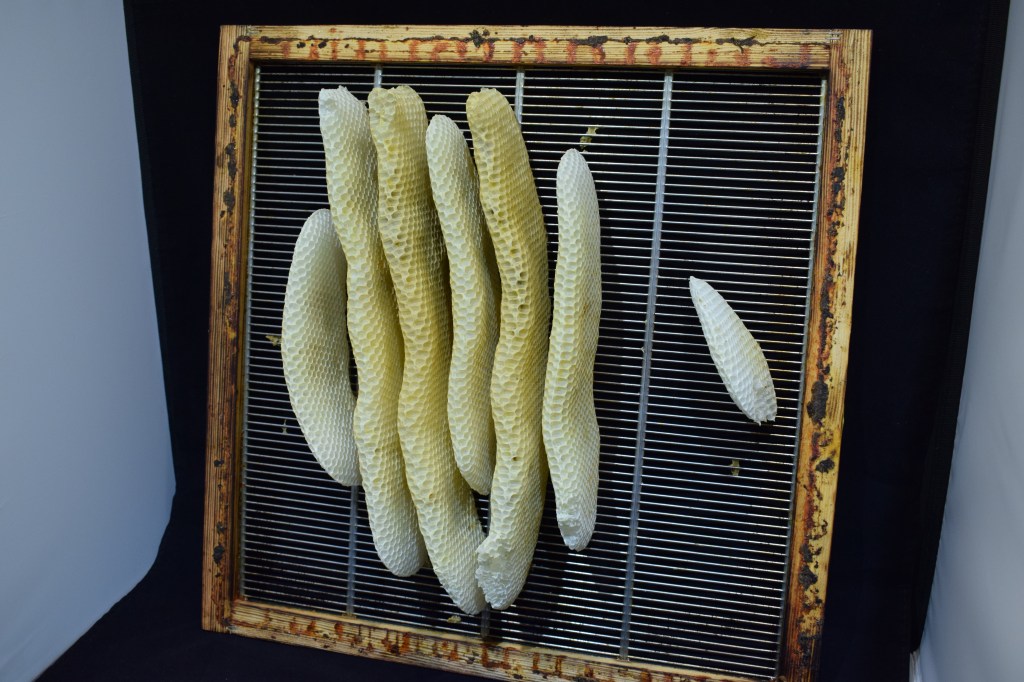
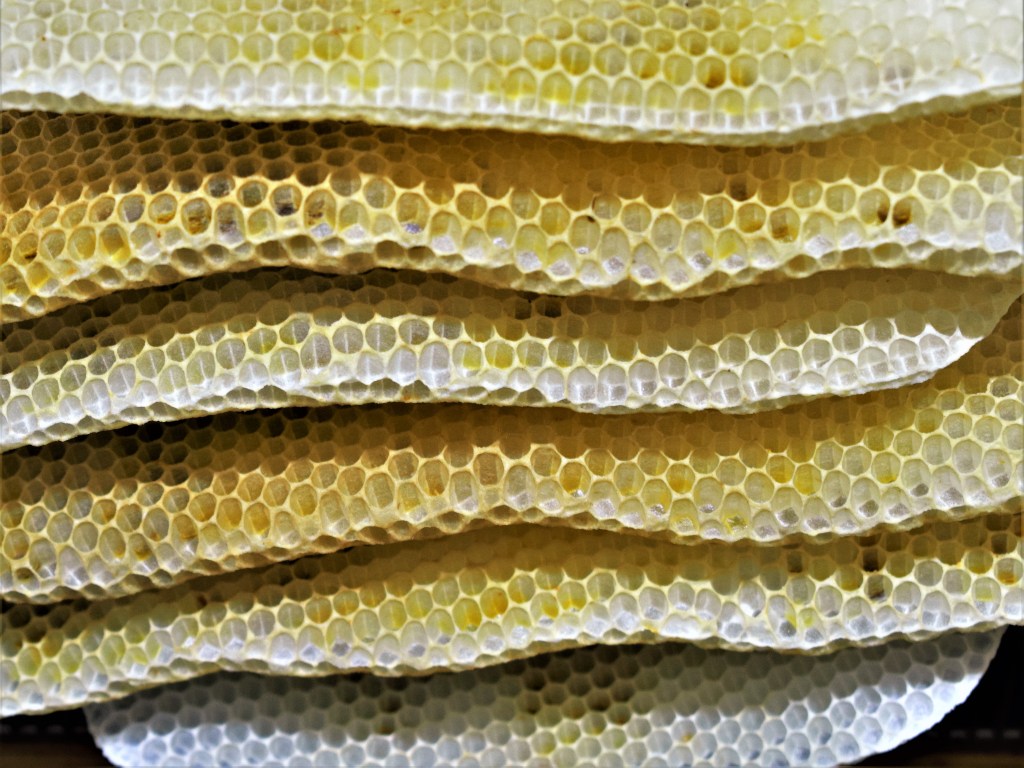
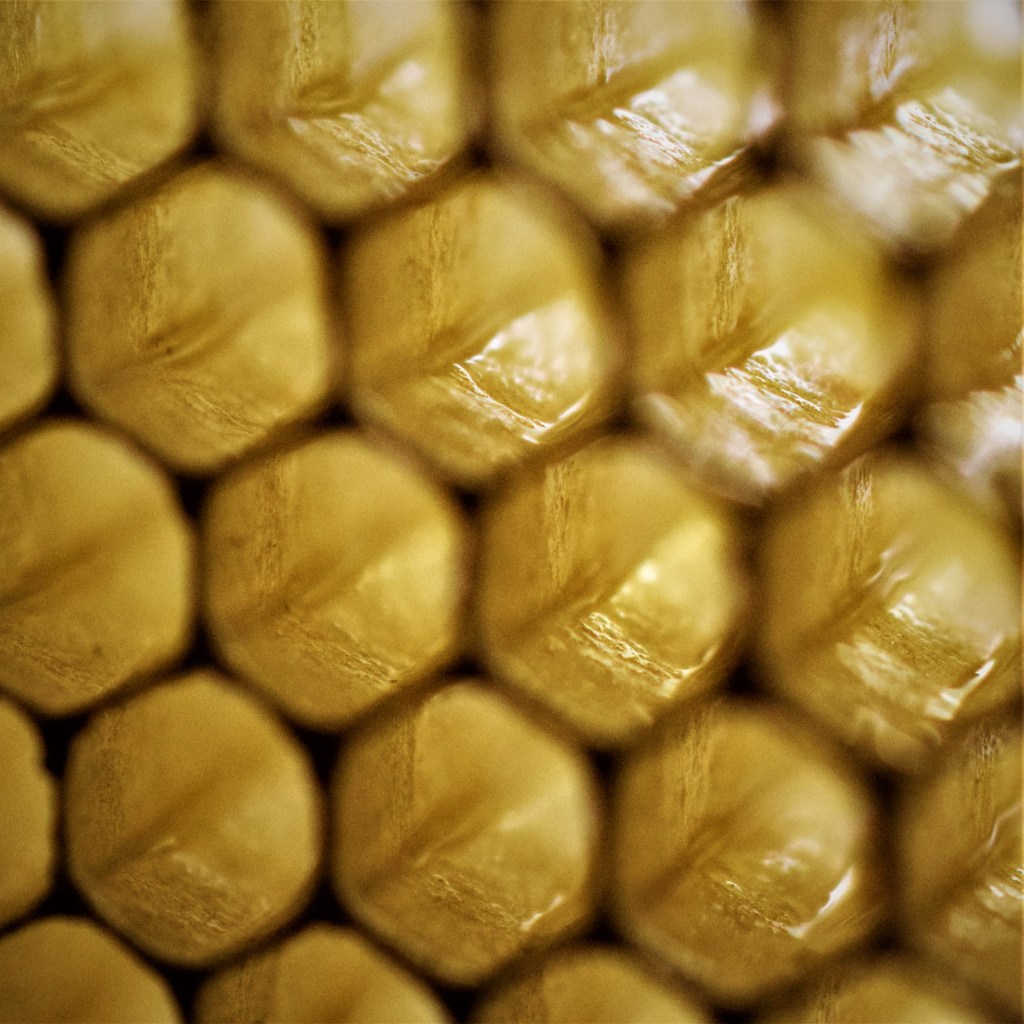
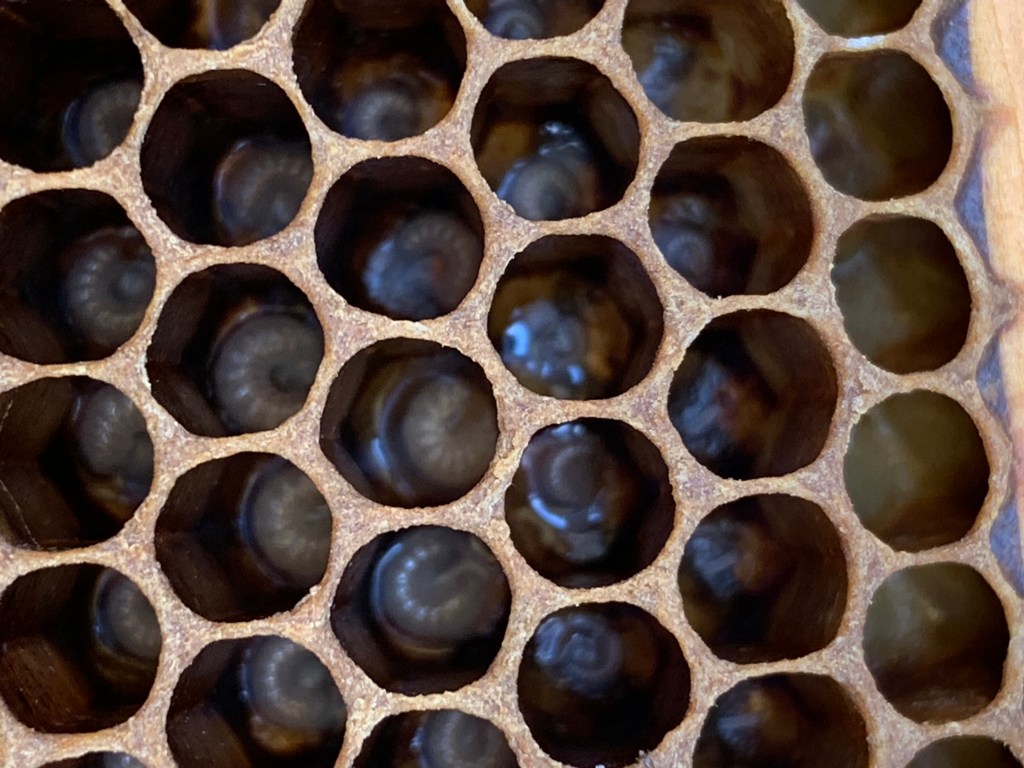
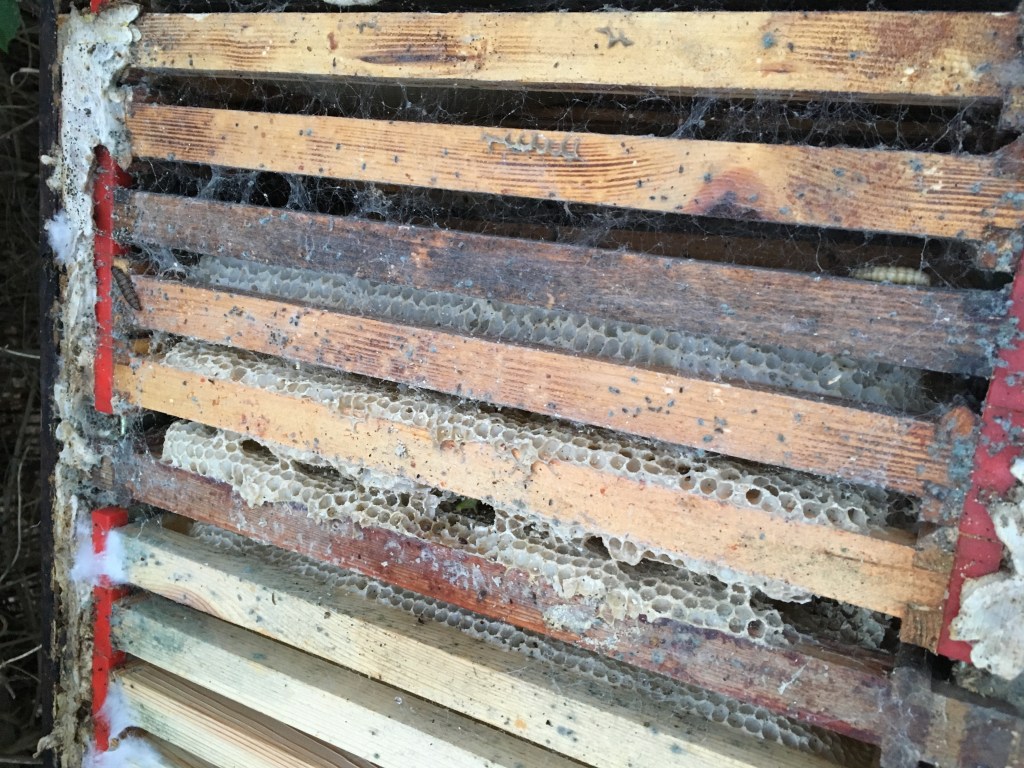
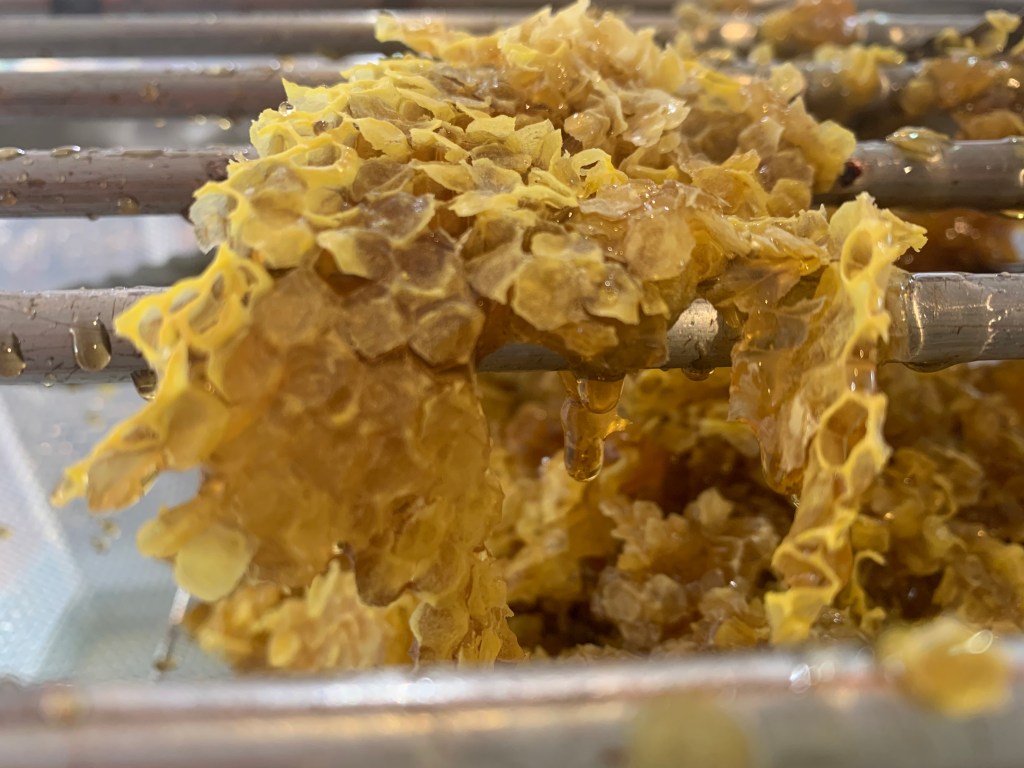
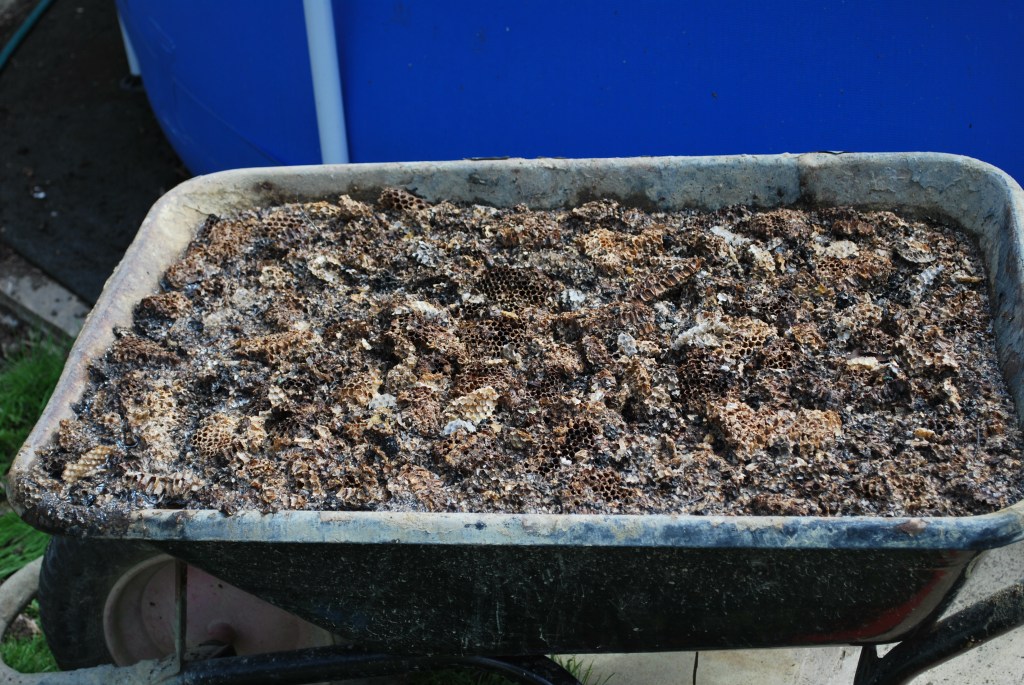
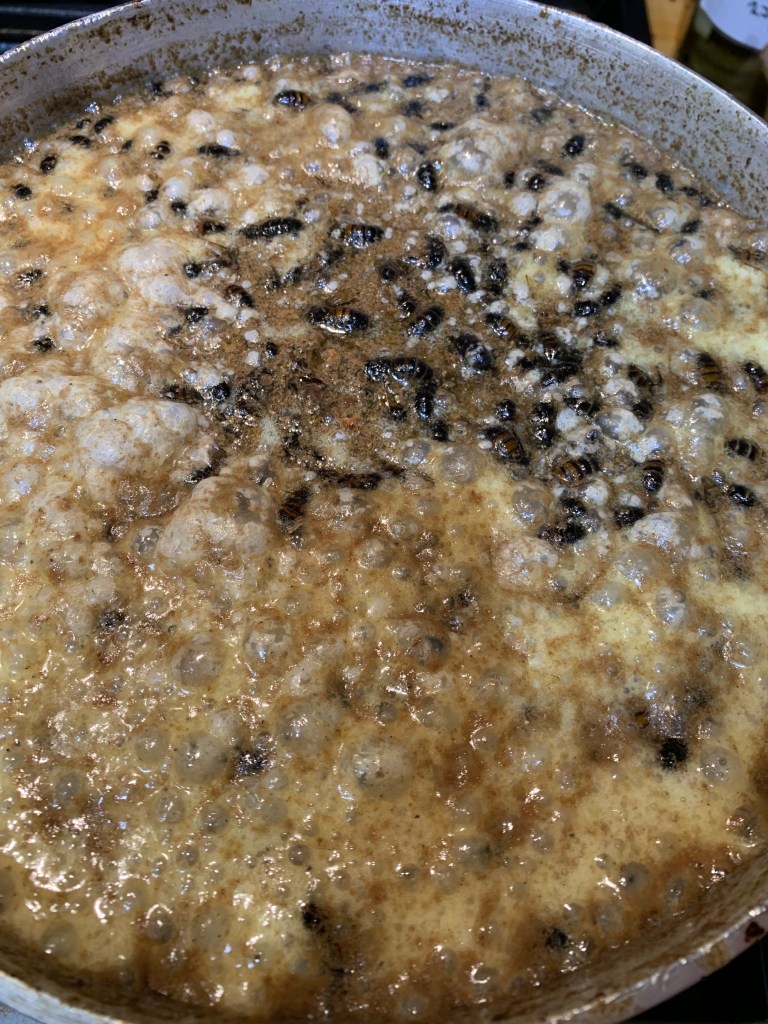
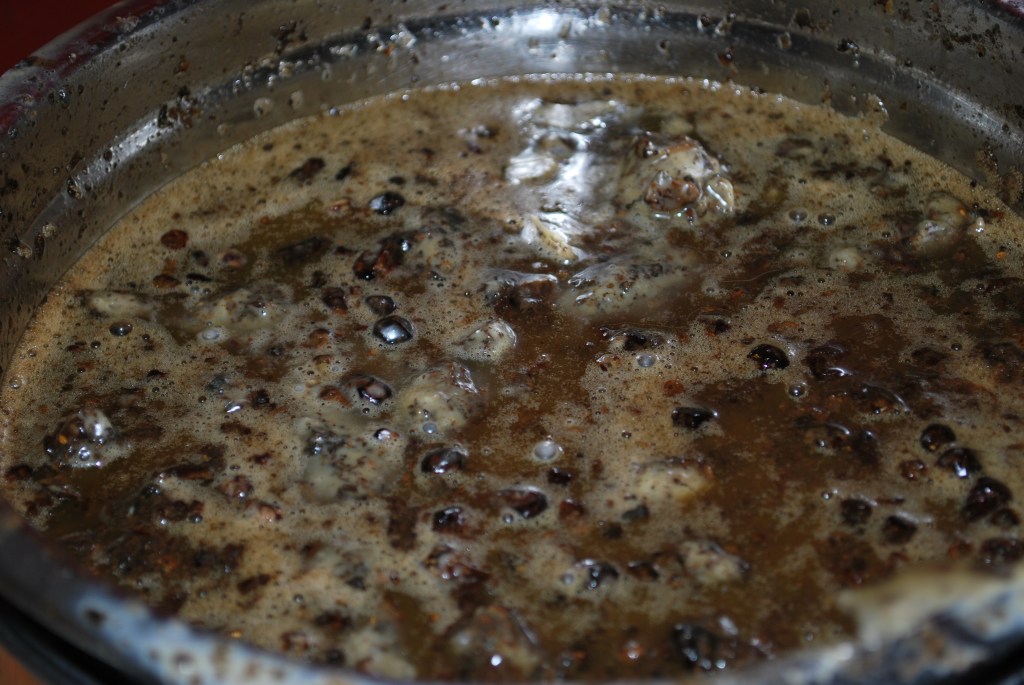
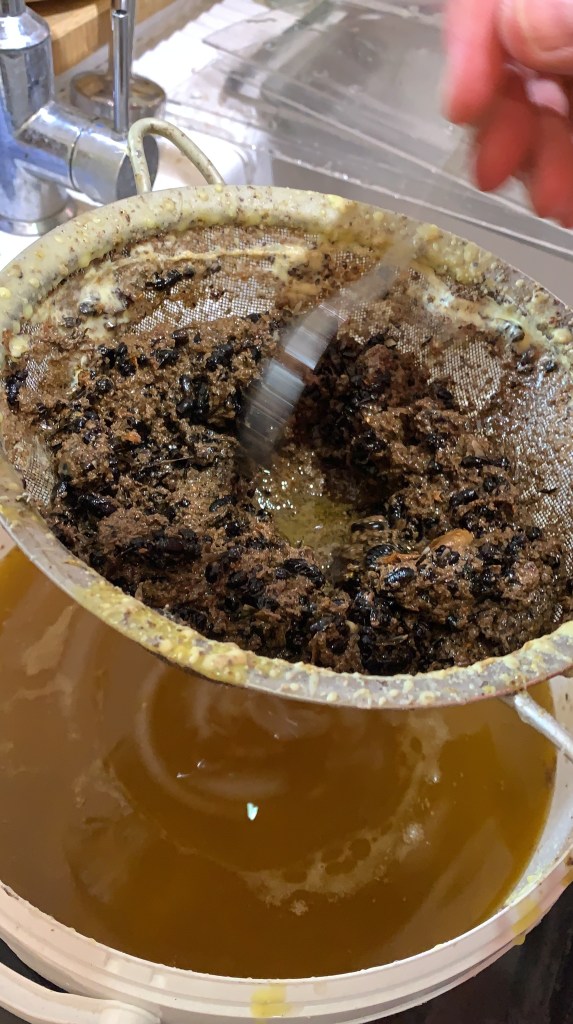
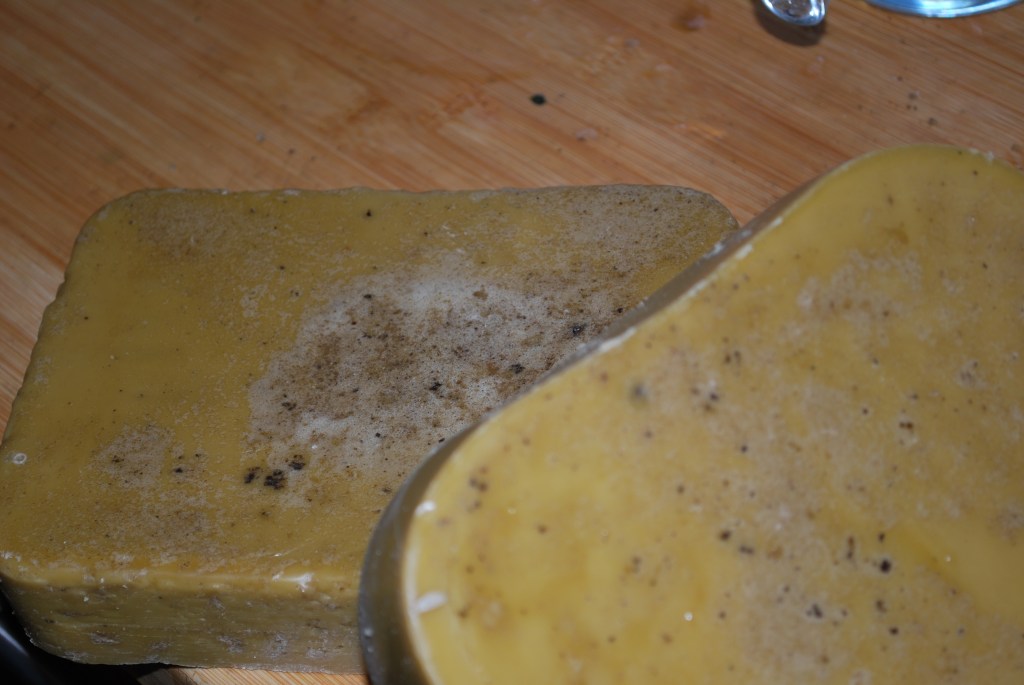
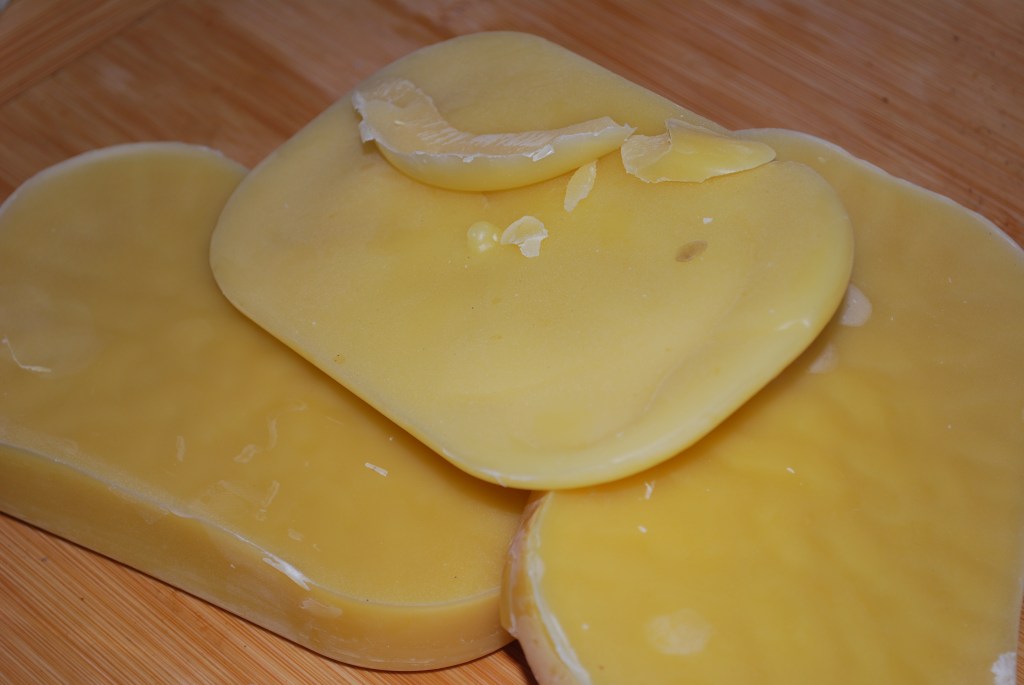
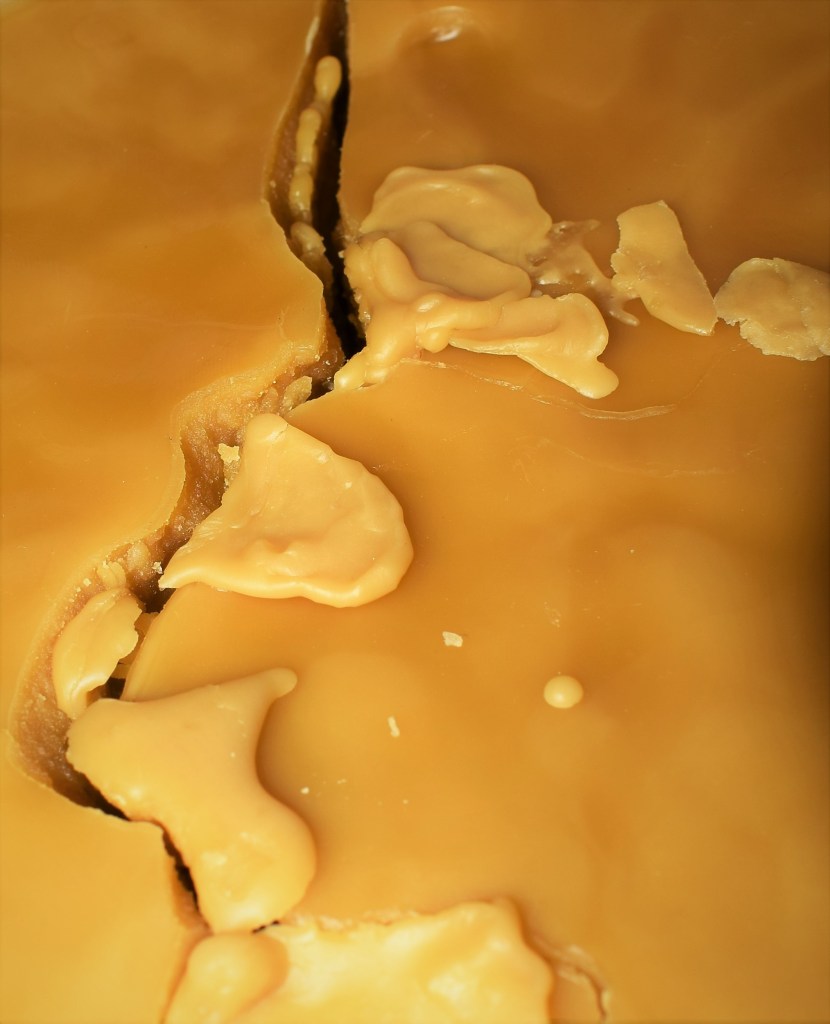
Bees will build honeycomb wherever there is space. Even where they are not supposed toComb is pure white when made, but pollen collected can turn it yellow or even red (dandelion)The comb is made of cells. These are actually round, but the hexagons are formed as they are joined together. Cells are also angled slightly, and always have a point at the top and bottom.Honeybees spin a cocoon inside the cells. This is reused over and over, turning brown over time as waste from the pupae is left behind Wax moth love beeswax and can create their own spun cocoons in hives. They are very destructive, so frames and wax must be sterilised if foundWhem extracting the honey, ‘cappings’ are removed from the comb. This is the best quality wax we process, but there is less of it available, as the honey comb is reused in the hive.Broken up brood comb, removed from the frames and ready for cleaning.Old brood comb, as well as dirty or diseased wax, is boiledWhen left to cool for a while, the cocoons and larger debris float to the top and can be skimmed offThr remaining wax is then sieved and filtered to remove the finest particlesFiltering may be done several times, but it soon becomes obvious what shade the resulting block of wax will be. This is from brood combThis is from cappings and some damaged honey comb that couldn’t be reused. The palest wax is used for cosmetics and polishesSome buttery yellow wax, perfect for candles

 ashworthhoney.co.uk